


A mid taper fade mullet pairs a clean taper at the sides with a longer, relaxed back. The front stays neat, the back has attitude, and the whole shape looks deliberate rather than messy.
This guide explains the cut, shows eight styles, and covers hair type, face shape, guard numbers, mistakes and upkeep. Use it to walk into the barbershop with a clear plan.
Mid Taper Fade Mullet Explained: What Makes This Combo Work
A mid taper fade mullet is a haircut with a taper that starts around the temple, a short to medium top and a longer section at the nape. The taper shortens the sides in smooth steps. The back stays long and often reaches the collar.
Two ideas make it work:
- Mid taper. The blend starts at mid height, so the sides look neat without exposing too much scalp.
- Mullet shape. The longer back adds movement and personality.
The taper keeps the cut clean, and the back keeps it fun. That balance is why it looks modern instead of retro.
Quick answer: what is a mid taper mullet?
It is a mullet with a mid height taper on the sides. The top is short or medium, and the back hangs longer. Barbers often call it a taper fade mullet.
Why It’s Everywhere in 2026
The mullet has returned in softer forms, and the taper is the reason it feels current.
- Cleaner edges. The taper removes the bulky look of older mullets.
- Flexible length. You can go short at the back or long.
- Easy to wear. It suits casual and smart outfits.
- Social media friendly. The side profile photographs very well.
- Hat and cap friendly. The back sits comfortably below a brim.
Pros and Cons: What You’re Signing Up For
Pros
- Strong shape with a clean outline.
- Works on straight, wavy and curly hair.
- Grows out gradually.
- Adaptable for work and weekends.
Cons
- Needs a taper touch up every 3 to 4 weeks.
- The back needs care to avoid split ends.
- Fine hair may look thin at the tail.
- A poor blend looks messy, so barber skill matters.
8 Best Mid Taper Fade Mullet Styles
Bring a front, side and back photo. The mullet looks very different from each angle.
Classic Cuts: The Everyday Options
1. Classic Mid Taper Mullet
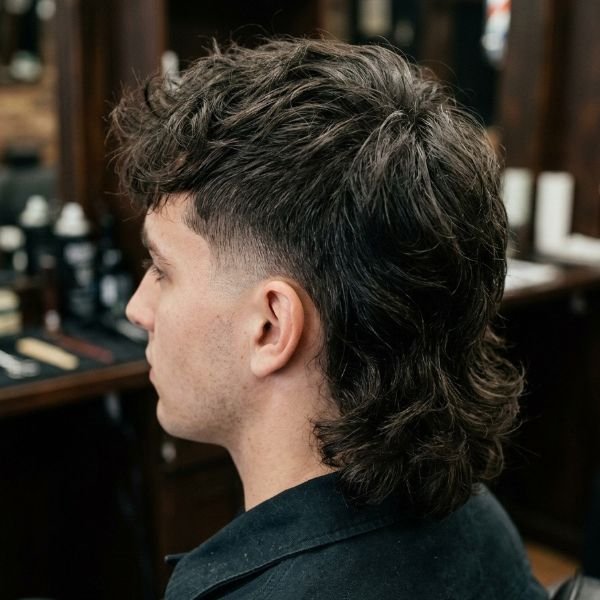
A neat mid taper, a medium top and a back that reaches the collar. It is the easiest version to start with. Ask for “a mid taper with a tapered back and a short textured top.”
2. Wavy Mid Taper Mullet
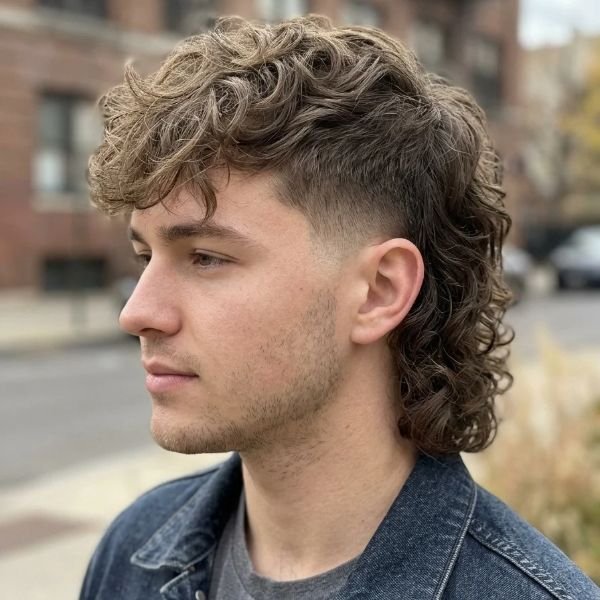
Natural waves flow from the top to the tail. Keep the top about 3 to 4 inches. Use sea salt spray to show the pattern.
3. Curly Mid Taper Mullet
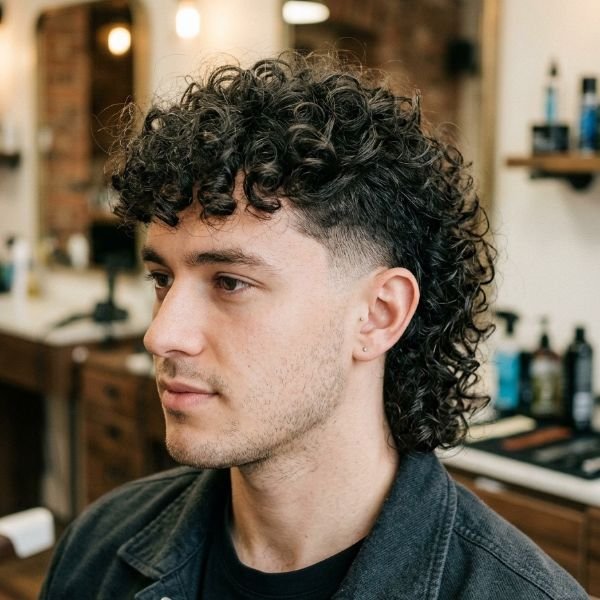
Curls add volume and a natural shape. Keep the sides tapered so the width stays balanced. Use curl cream and avoid brushing dry curls.
Textured Cuts: More Movement, More Attitude
4. Textured Mid Taper Mullet
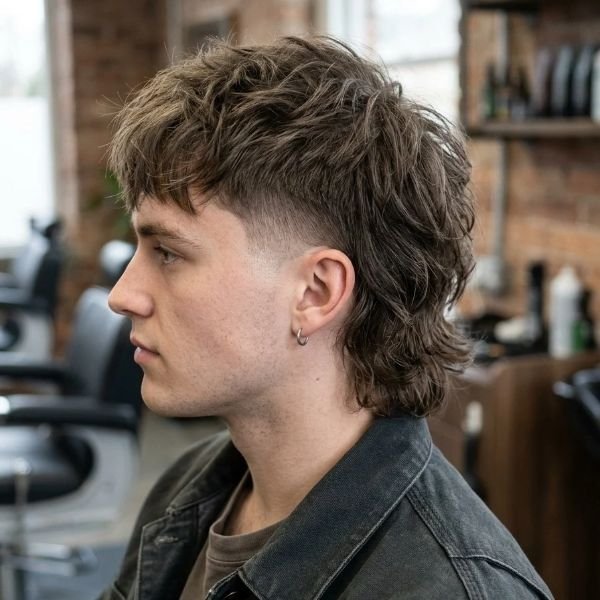
The top and back are cut with point cutting for a choppy finish. It looks light and modern. Use matte paste and finger dry.
5. Shaggy Mid Taper Mullet

Layers throughout give a full, shaggy outline. It suits thick hair and casual style. Trim the layers every 6 to 8 weeks.
Detail Work: Built for Barbers Who Cut
6. Mid Taper Mullet with Scissorwork
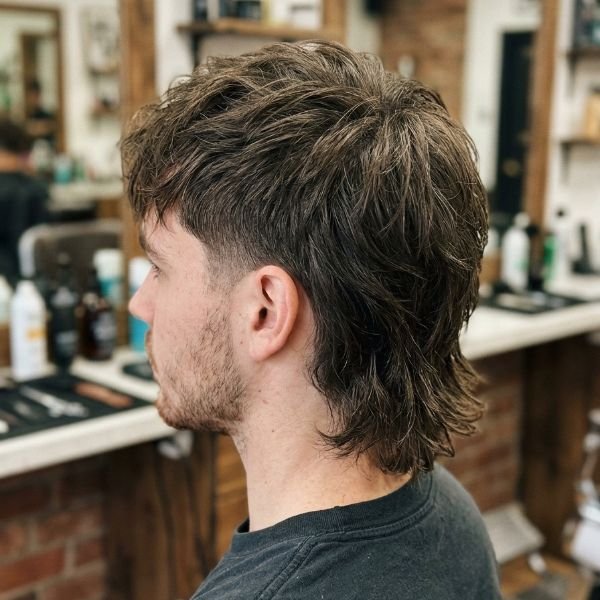
The blend and the back are refined with scissors for a soft finish. It looks natural and takes skill. Ask for “scissor over comb on the sides and a soft, layered tail.”
7. Mid Taper Mullet with Fringe

A short or medium fringe sits at the front. It softens a high forehead. Ask for a textured fringe, not a blunt one.
Business-Friendly Versions
8. Business Mid Taper Mullet

A short, neat top, a tight taper and a back of 2 to 3 inches. It looks polished in an office. Keep the product light and the neckline clean.
Choosing by Hair Type: What Actually Holds the Shape
Straight Hair
Straight hair shows cut lines clearly. Ask for texture on the top and back so the shape does not look flat. Use a light paste.
Wavy Hair
Waves add natural movement. This is one of the easiest hair types for a mullet. Use a light cream and let the pattern show.
Curly Hair
Curls need moisture and space. Keep the back long enough for curls to form, usually 4 inches or more. Let the hair dry naturally.
Thick Hair
Thick hair can look bulky at the back. Ask your barber to thin the tail and use a mid taper to remove weight at the sides.
Face Shape Matchups
Oval Face
Almost any version works. Try the classic or wavy style.
Round Face
Add height on top and keep the sides tight. A textured mullet lengthens the face.
Square Face
A softer, wavy or shaggy style eases a strong jaw.
Heart-Shaped Face
A mullet with a fringe balances a narrow chin. Keep the back medium length.
Long Face
Skip extra height on top. A fuller back adds width.
Diamond Face
Keep some fullness at the temples. A textured fringe works well.
Rectangular Face
Choose a shorter back and moderate height. Avoid very tall tops.
Age Group Breakdown
Teenagers
Try a textured or shaggy mullet. It is easy and fun. Check school rules about length first.
Young Men
This age group suits the bolder versions, such as scissorwork, curly or fringe styles.
Professional Men
Choose the business version with a short back and a neat taper. Keep styling light.
Talking to Your Barber: The Exact Guard Numbers
Clear instructions prevent surprises. Each guard number adds about one eighth of an inch.
Quick script
“I would like a mid taper fade on the sides, starting around the temple. Leave a medium textured top and a back that reaches the collar. Blend the taper into the back.”
Typical guard numbers
- Base of the taper: a number 0 or 1.
- Middle blend: a number 2 or 3.
- Top of the taper: a number 4.
Other details to confirm
- The taper height starts around the temple.
- The back length, in inches.
- Whether the neckline is rounded, squared or natural.
- The amount of texture on the top and tail.
Video Guide: Watch the Blend in Action
You can embed a barber demo video here. If you cut at home, ask a barber to show you first. This is the order barbers usually follow:
- Section the hair. Separate the top and the back from the sides.
- Mark the taper line. Find the temple height.
- Cut the base. Use the shortest guard at the sideburns and neckline.
- Blend upward. Step up one guard at a time.
- Clean the blend. Smooth any lines with clippers over comb.
- Shape the back. Cut the tail to the chosen length.
- Texturize the top. Use point cutting for movement.
Common Mistakes That Ruin a Mid Taper Mullet
- Taper too high. A high taper changes the shape and looks harsh.
- Back too heavy. A thick tail looks bulky. Ask for thinning.
- No texture. The cut looks flat and dull.
- Too much product. Heavy gel weighs the shape down.
- Skipping trims. The taper grows out within weeks.
- Cutting the neckline at home. It often goes uneven.
- Not sharing photos. Barbers imagine different results from the same words.
Maintenance Reality Check
Taper Touch-Up Frequency
Book a trim every 3 to 4 weeks. Skin finishes need more frequent visits.
Back Section Care
Trim the ends every 6 to 8 weeks to remove split ends. Use a conditioner and a light oil to keep the tail healthy.
Daily Styling
- Apply sea salt spray to damp hair.
- Dry the top upward with your fingers.
- Add a small amount of paste or cream.
- Let the back fall naturally.
Washing Routine
Wash two to four times a week with a gentle shampoo. Use a clarifying shampoo every week or two to remove product buildup.
Mullet vs Standard Mid Taper
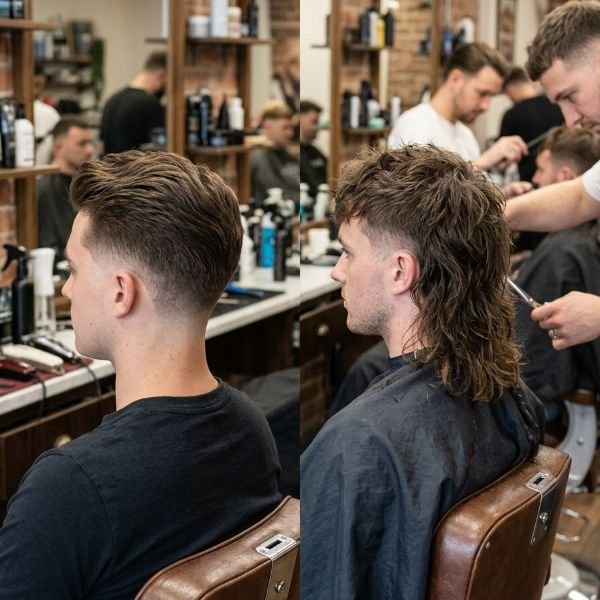
A standard mid taper keeps the back short. A mullet leaves length at the back. Choose the standard cut for a neat, simple look and the mullet for more personality.
Mullet vs Wolf Cut

A wolf cut has heavy layers all over, with a shaggy shape. A mullet has clear contrast between short sides and a longer back. A taper mullet is cleaner and more structured.
Mullet vs Flow Cut
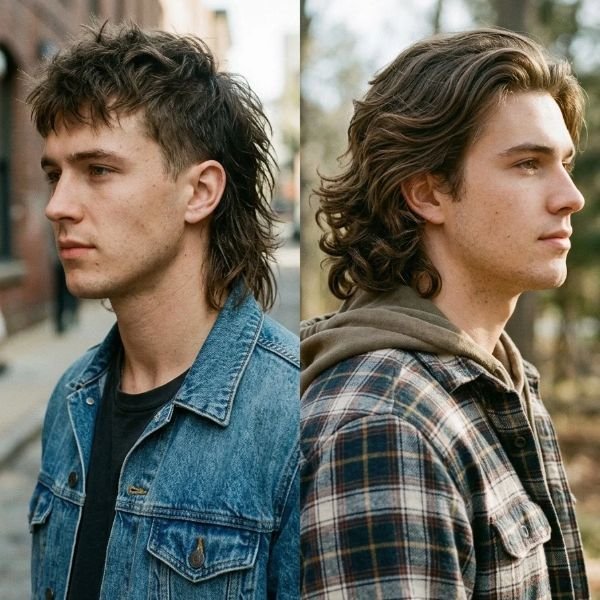
A flow cut is long, swept back hair with little contrast. A mullet keeps the sides short with a taper. Choose a flow cut for a soft look and a mullet for sharper shape.
Frequently Asked Questions
What is a mid taper fade mullet?
It is a mullet with a mid height taper at the sides and a longer back.
How long should the back be?
Between 2 and 6 inches suits most men. Go shorter for work and longer for a bolder look.
How often should I trim it?
Every 3 to 4 weeks for the taper and every 6 to 8 weeks for the back.
Does it suit straight hair?
Yes. Ask for texturizing so the hair does not look flat.
Is it professional enough for work?
Yes, in the business version with a short back and a tight taper.
What guard numbers are used?
Barbers often start at a 0 or 1 and blend up through a 2, 3 and 4.
Is the mullet still in style in 2026?
Yes. Softer, tapered versions are popular and easy to wear.
About the Author
[Add your name, role and experience here. For example: “Written by [Name], a [barber or grooming writer] with [X] years of experience.” Include a photo and links to your profiles so readers and search engines can verify who wrote this.]
Conclusion
The mid taper fade mullet gives you a clean outline and a relaxed back in one cut. Choose a style that suits your hair type and face shape, give your barber exact guard numbers and keep up with regular trims. With a simple routine, the shape stays sharp and easy to wear.

Liam Joseph Miller is a fashion and lifestyle writer passionate about modern trends, personal style, outfit inspiration, and everyday fashion. He enjoys creating simple, practical content that helps readers discover new looks, explore current trends, and express their unique sense of style with confidence.